
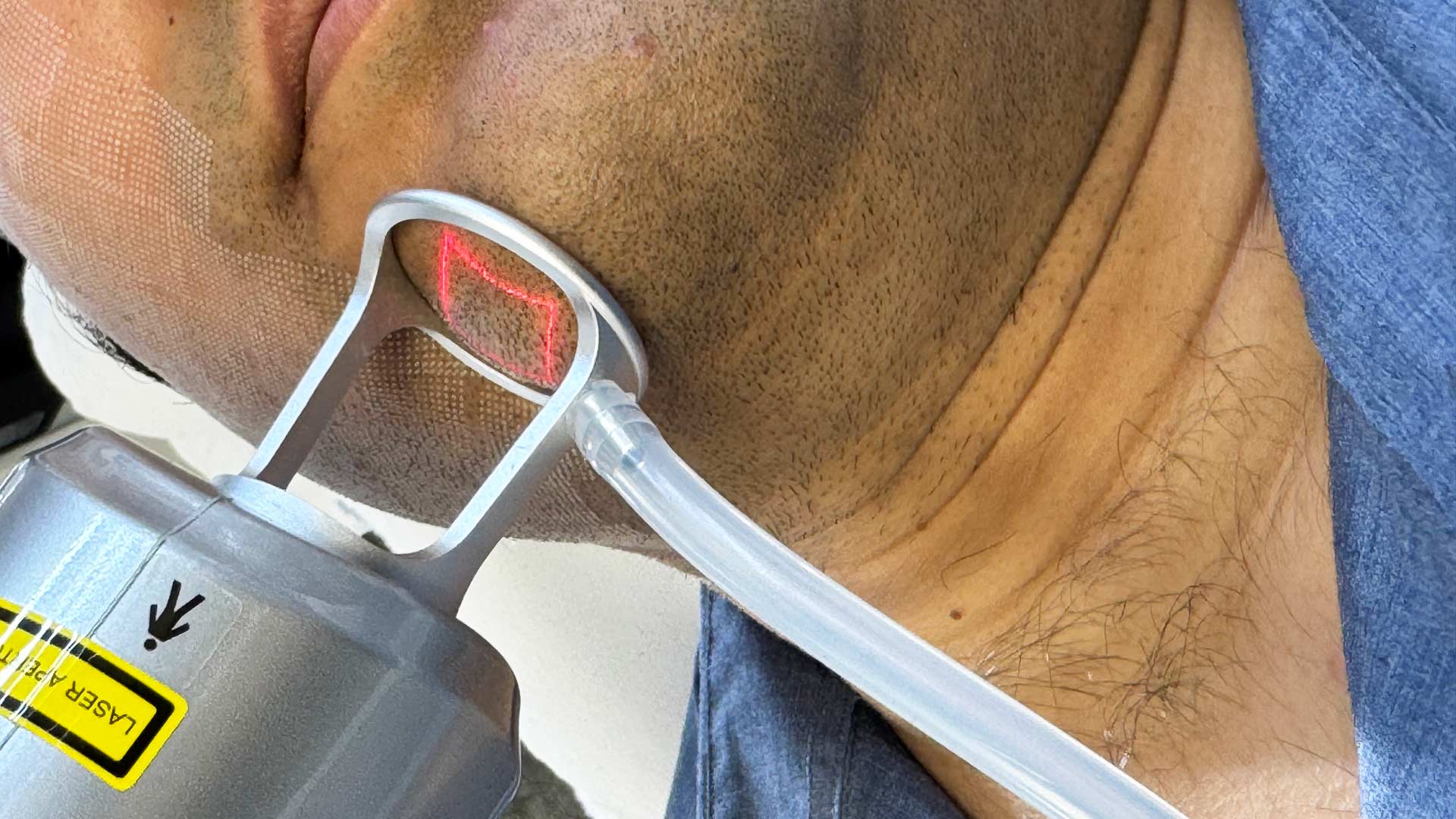
The Timeless Gold Standard in Skin Resurfacing
In the evolving landscape of aesthetic treatments, fractional CO2 lasers have secured a reputation that’s hard to beat. While new laser technologies continue to emerge, offering different wavelengths and innovative features, fractional CO2 remains a preferred tool for surgeons and aesthetic practitioners alike. Here’s why.
Depth, Precision, and Results
Fractional CO2 lasers are renowned for their ability to deliver deep, effective skin resurfacing. By creating controlled micro‑injuries in the skin, they trigger powerful collagen stimulation, leading to improvements in wrinkles, texture, pigmentation, scars, and overall skin vitality. The depth and precision they offer can produce results that many newer, non‑ablative devices simply can’t match—especially for more advanced or stubborn skin concerns.
A Comparison with Newer Technologies
Although fractional CO2 typically involves more downtime than the latest “lunchtime lasers,” the trade‑off is often dramatic, long‑lasting results. Non‑ablative lasers may offer comfort and convenience, but CO2 resurfacing remains the gold standard for intensive rejuvenation. Its unique ability to ablate and coagulate tissue simultaneously gives it a transformative edge.
Why Professionals Still Prefer It
In expert hands, fractional CO2 is a trusted, versatile, and outcome‑driven technology. Surgeons and seasoned practitioners value its long‑standing clinical track record, reliability, and the degree of customisation it offers for various skin types and conditions. For those seeking powerful, predictable results, CO2 continues to stand strong—regardless of how many newer lasers enter the market.